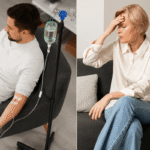

What Happens During an NAD Therapy Session? A Step-by-Step Guide
If you’re considering an NAD therapy session, you probably want to know exactly what happens from start to finish. Understanding the process can help you feel more prepared and confident before your first appointment.
NAD therapy is delivered through IV infusion and is designed to support cellular energy production. During a session, a controlled amount of nicotinamide adenine dinucleotide (NAD) is administered slowly into your bloodstream while you relax under supervision. In this guide, you’ll learn what to expect before, during, and after a typical NAD therapy session.
If you’re new to IV-based wellness treatments, you can also review how IV Hydration & Injections work to understand the general setup and safety standards used in clinical environments.
What Is an NAD Therapy Session?
An NAD therapy session is a supervised IV infusion where NAD is delivered directly into the bloodstream. NAD is a coenzyme found in every living cell and plays a key role in energy production and cellular repair.
According to the National Institutes of Health, NAD is essential for metabolic function and mitochondrial activity, which affects how your body converts nutrients into energy National Institutes of Health.
Because NAD levels naturally decline with age, stress, and lifestyle factors, some people explore IV-based replenishment under medical guidance.
Why People Consider an NAD Therapy Session
People often seek an nad therapy session for support with:
- Low energy or fatigue
- Mental clarity and focus
- Recovery after travel or stress
- Wellness optimization
It’s important to understand that NAD therapy is not a cure for disease. Instead, it is used in wellness settings as a supportive therapy aimed at cellular health.
Step 1: Initial Consultation and Assessment
Before starting an nad therapy session, you’ll complete a brief intake process. This typically includes:
- Medical history review
- Current medications and supplements
- Health goals discussion
- Screening for contraindications
This step ensures the treatment is appropriate for you. Transparency about your health history helps reduce risks and allows providers to adjust infusion speed if necessary.
Step 2: Preparation Before the Infusion
Once cleared, you’ll be guided to a comfortable treatment area. Preparation usually includes:
- Checking vital signs
- Choosing an IV site (usually the arm)
- Cleaning the skin with antiseptic
You may be advised to eat a light meal and hydrate beforehand. Proper hydration can help make vein access easier and may reduce discomfort during the nad therapy session.
Step 3: IV Placement
A small catheter is inserted into a vein in your arm. Most people describe this as a quick pinch similar to a blood draw.
After insertion, the IV line is secured, and the infusion begins slowly. NAD is typically administered gradually to minimize potential side effects.
Step 4: The NAD Infusion Process
This is the main portion of your nad therapy session.
The infusion may last anywhere from one to four hours depending on:
- Dosage
- Individual tolerance
- Treatment goals
- First-time vs maintenance sessions
NAD is infused slowly because rapid administration can cause temporary discomfort. During the infusion, you can usually:
- Sit comfortably
- Read or use your phone
- Work on a laptop
- Relax or rest
Some clinics offer reclining chairs and quiet environments to make the session more comfortable.
What You May Feel During the Session
Because NAD affects metabolic pathways, some people notice temporary sensations such as:
- Mild chest tightness
- Warmth
- Nausea
- Head pressure
These sensations are usually managed by slowing the drip rate. Slower infusion speeds typically reduce discomfort.
Research published in PubMed has examined NAD’s role in cellular metabolism and mitochondrial function PubMed. While ongoing research continues, IV administration must be supervised by qualified professionals.
Step 5: Monitoring Throughout the Session
A supervised nad therapy session includes periodic monitoring. Staff may:
- Check on comfort levels
- Adjust infusion speed
- Monitor vital signs
Open communication is important. If you feel discomfort, you should notify the provider immediately so adjustments can be made.
Step 6: Completion and Post-Session Review
When the infusion finishes:
- The IV line is removed
- A small bandage is applied
- You rest briefly before leaving
Most people can resume normal activities the same day unless otherwise advised.
Some individuals report feeling energized soon after, while others notice gradual effects over several days. Experiences vary.
How Long Does an NAD Therapy Session Take?
A full nad therapy session typically lasts between one and four hours.
First sessions may take longer because providers start at slower infusion rates to assess tolerance.
Maintenance sessions may be shorter depending on dosage and your response.
How to Prepare for Your First NAD Therapy Session
Preparation is simple but important:
- Stay hydrated
- Eat a balanced meal beforehand
- Wear comfortable clothing
- Avoid heavy exercise immediately before
- Inform staff of any changes in health
Being well-rested can also make the experience smoother.
Possible Side Effects of an NAD Therapy Session
Side effects are usually temporary and may include:
- Nausea
- Fatigue
- Headache
- Flushing
According to the Cleveland Clinic, IV therapies must be administered in controlled settings to reduce complications such as infection or vein irritation Cleveland Clinic.
Choosing a supervised environment helps minimize risk.
How Often Do People Schedule NAD Therapy Sessions?
Frequency varies based on individual goals. Some people begin with a series of sessions, followed by maintenance treatments.
A provider can recommend a schedule tailored to your health history and response.
What Makes NAD Different from Other IV Therapies?
Unlike vitamin-based IV drips that deliver nutrients like vitamin C or B12, an nad therapy session focuses specifically on cellular coenzyme support.
NAD plays a role in:
- Energy production
- DNA repair
- Cellular signaling
Because of this, infusion speed and tolerance monitoring are particularly important.
Is an NAD Therapy Session Right for You?
You might be wondering whether this therapy fits your needs.
It may be worth discussing with a provider if you:
- Experience persistent fatigue
- Want to support cellular wellness
- Are interested in IV-based therapies
However, individuals with certain medical conditions may not be ideal candidates. A consultation helps clarify suitability.
Frequently Asked Questions
Most people report only mild discomfort from IV placement. Slower infusion rates reduce the likelihood of temporary sensations.
Typically one to four hours, depending on dosage and tolerance.
In most cases, yes. However, if you feel lightheaded or fatigued, you may prefer to rest before driving.
Experiences vary. Some people report changes the same day, while others notice gradual effects.
NAD levels naturally fluctuate. Ongoing sessions may be discussed depending on goals and provider recommendations.
Final Thoughts
Understanding what happens during an nad therapy session can make the experience feel far less intimidating. From consultation and preparation to the monitored infusion process, each step is structured to support comfort and safety. Knowing what to expect allows you to make informed decisions about your wellness options.
If you would like to explore how IV-based therapies are structured more broadly, you can review the IV Hydration & Injections service page for an overview of available options. For additional educational content on wellness therapies and treatment processes, visit the blog page to continue learning.
Have questions about whether an NAD therapy session is appropriate for your goals? A consultation with a qualified provider can help you determine the next step.
Disclaimer
This content is for educational purposes only and does not constitute medical advice. NAD therapy should only be administered under professional supervision. Individual experiences may vary. Always consult a licensed healthcare provider before starting any new treatment.