
Can Concierge Nursing Help With Post-Surgical Recovery at Home?
- Amani Health & Wellness
- June 21, 2026
- 10 min read
Concierge Nursing Services
Table of Contents
- 1. What Post-Surgical Recovery at Home Actually Involves
- 2. Why the First 72 Hours After Surgery Matter Most
- 3. How Concierge Nursing Supports Post-Surgical Recovery at Home
- 4. Which Surgeries Benefit Most From In-Home Nursing Support
- 5. When Standard Self-Care Is Enough and When It Is Not
- 6. Frequently Asked Questions
- 7. What Good Recovery Actually Looks Like
Going home after surgery can feel like a relief and a source of anxiety at the same time. The procedure is done, but the recovery is just beginning, and for many patients the transition from a monitored clinical setting to home happens faster than they feel ready for.
Post-surgical recovery at home requires more than rest and pain medication. It requires consistent monitoring, wound care, medication management, and the ability to recognize early warning signs before they become serious complications. This article explains what that recovery process actually involves, where the gaps typically appear, and how professional nursing support can make a meaningful difference during the most critical phase of healing.
1. What Post-Surgical Recovery at Home Actually Involves
Post-surgical recovery at home is not a passive process. From the moment a patient is discharged, the body is doing significant work repairing tissue, managing inflammation, clearing anesthesia, and rebuilding strength. At the same time, the patient is responsible for following a discharge plan that may include wound care, multiple medications with specific timing, restricted activity, dietary changes, and monitoring for complications.
For many patients, this is manageable. For others, particularly those who live alone, have complex medical histories, or are recovering from more involved procedures, the demands of self-managed recovery quickly exceed what one person can reasonably handle without support.
The most common challenges patients face during post-surgical recovery at home include:
- Managing pain and medication schedules accurately without clinical oversight
- Performing wound care or drain management without prior training
- Recognizing the difference between normal post-operative discomfort and signs of infection or complication
- Maintaining adequate nutrition and hydration while mobility is limited
- Navigating the first 24 to 72 hours when the effects of anesthesia and surgical stress are still present
- Knowing when a symptom warrants a call to the surgical team versus a visit to the emergency room
Understanding what recovery actually demands is the first step toward making sure adequate support is in place before it is needed.
2. Why the First 72 Hours After Surgery Matter Most
The period immediately following discharge is when the risk of complications is highest. Wound infections, medication errors, blood clots, and post-anesthesia complications are most likely to emerge in the first few days at home, precisely when clinical oversight is no longer automatic.
According to research published in PubMed Central, nurse practitioner home visits in the post-surgical period were effective in reducing hospital readmissions by 7.69 percent, with the greatest impact seen when the visiting provider was already familiar with the patient’s post-operative care plan.
The reasons patients return to the hospital after surgery most commonly include:
- Surgical site infection that was not identified early enough
- Inadequate pain control leading to immobility and secondary complications
- Medication errors, missed doses, or dangerous drug interactions
- Dehydration due to poor oral intake during the recovery period
- Blood clots, particularly after orthopedic or abdominal procedures
- Post-anesthesia complications including nausea, confusion, or respiratory issues in higher-risk patients
A trained nurse present during this window can identify these problems at the earliest stage, when intervention is straightforward, rather than after they have escalated into an emergency.
3. How Concierge Nursing Supports Post-Surgical Recovery at Home
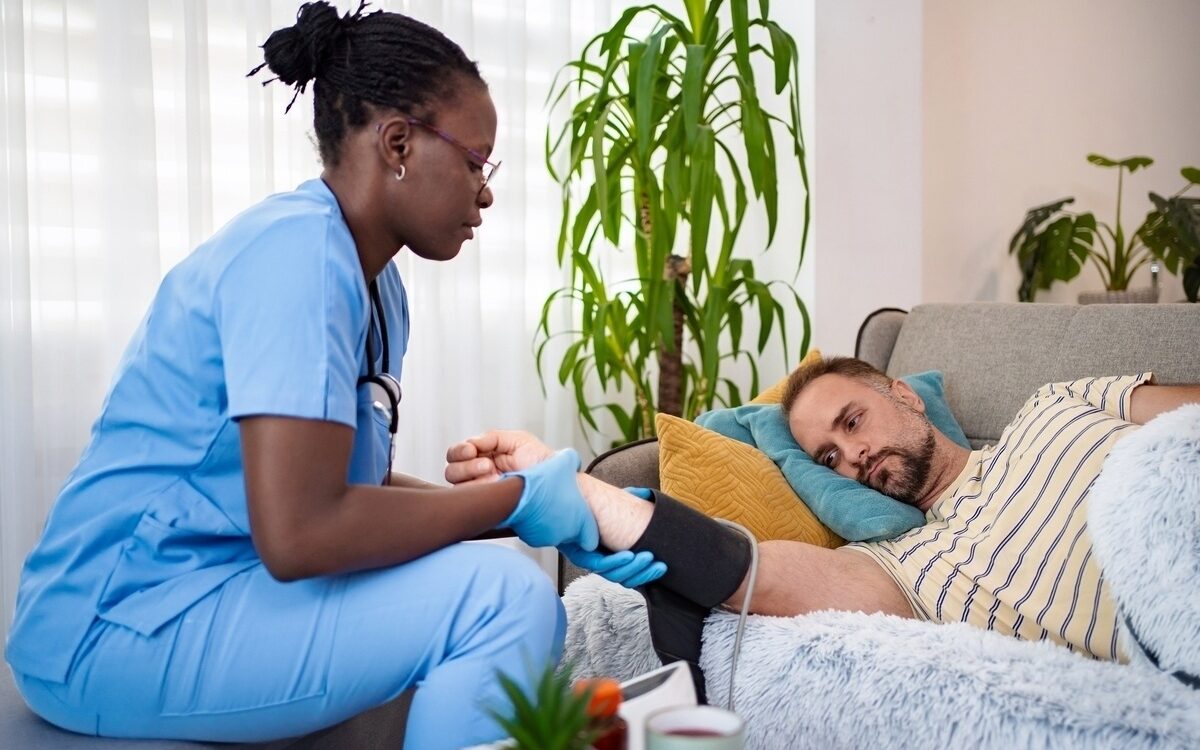
Concierge nursing brings licensed, clinical nursing support directly to the patient’s home in the days and weeks following a procedure. It is not the same as a home health aide, who provides non-clinical assistance with daily activities. A concierge nurse is a qualified medical professional who performs clinical assessments, administers medications, manages wounds, and monitors the patient’s physiological status.
The services a concierge nurse provides during post-surgical recovery at home typically include:
- Vital signs monitoring — blood pressure, heart rate, oxygen levels, temperature, and respiratory rate assessed at each visit to track recovery progress and detect early signs of concern
- Wound and incision care — dressing changes, drain management, suture or staple monitoring, and assessment for signs of infection such as redness, swelling, warmth, or discharge
- Medication management — reviewing the medication schedule, ensuring doses are taken correctly and on time, monitoring for side effects, and flagging potential interactions
- Pain assessment and management support — evaluating pain levels against expected recovery norms and communicating with the surgical team if pain is not adequately controlled
- Hydration and nutrition monitoring — assessing oral intake and identifying patients at risk of dehydration, which is a common and underrecognized driver of post-surgical complications
- Mobility assistance and fall prevention — supporting safe movement during the period when weakness, pain, and medication effects increase fall risk significantly
- Patient and family education — explaining what is normal at each stage of recovery, what to watch for, and when to seek additional care
- Communication with the surgical team — documenting observations and relaying relevant clinical information to the patient’s providers when needed
According to the Agency for Healthcare Research and Quality, patients who receive consistent follow-up nursing support after discharge experience significantly better safety outcomes and lower rates of hospital readmission compared to those who manage the transition home without professional oversight.
For a full overview of what concierge nursing services include beyond post-surgical care, visit the Concierge Nursing Services page.
4. Which Surgeries Benefit Most From In-Home Nursing Support
Not every surgical procedure carries the same recovery demands. Some patients go home after a minor outpatient procedure feeling largely well and require minimal support beyond basic self-care. Others face weeks of complex recovery that genuinely benefit from professional nursing oversight.
Post-surgical recovery at home tends to require the most nursing support following:
Orthopedic Procedures
Joint replacements, fracture repairs, and spinal surgeries involve significant mobility limitations, complex wound management, and a high risk of blood clots during the early recovery period. Patients often need assistance with wound care, medication timing, and safe movement that goes beyond what family members can confidently provide.
Abdominal and Gastrointestinal Surgeries
Procedures involving the abdomen carry elevated infection risk and often involve drain management, dietary restrictions, and close monitoring of bowel function. The early post-discharge period is when infections and complications most commonly surface.
Cardiac and Vascular Procedures
Patients recovering from cardiac surgery or vascular procedures require careful monitoring of vital signs, fluid balance, and medication compliance. Missing a dose or failing to recognize a change in status during this phase can have serious consequences.
Cosmetic and Reconstructive Procedures
Many patients undergoing elective cosmetic surgery go home the same day without anticipating the level of post-operative care their recovery will require. Wound care, drain management, swelling assessment, and pain monitoring are all areas where professional support significantly improves outcomes.
Same-Day Outpatient Surgeries
The trend toward shorter hospital stays and same-day discharge means more patients are going home while still in the early stages of recovery. This applies across a wide range of procedures, and for many patients the gap between what the discharge instructions assume they can manage and what they can actually manage alone is significant.
5. When Standard Self-Care Is Enough and When It Is Not
Concierge nursing is not necessary for every patient recovering from every procedure. Understanding when professional nursing support genuinely adds value helps patients and families make informed decisions.
Self-care is typically sufficient when:
- The procedure was minor and the discharge instructions are straightforward
- The patient has a reliable support person at home who can assist with basic needs
- There are no complex wound care requirements or drain management involved
- The patient has no significant underlying health conditions that complicate recovery
- Pain is well controlled with standard oral medications and no monitoring is required
Professional nursing support is worth considering when:
- The patient lives alone and has no consistent support person during the recovery period
- The procedure involved complex wound care, drains, or dressings that require clinical skill to manage safely
- The patient has underlying conditions such as diabetes, heart disease, or immunosuppression that increase complication risk
- Previous surgeries have resulted in complications or hospital readmissions
- The patient or family feels uncertain about their ability to recognize warning signs or follow the discharge plan accurately
- The patient is elderly or has cognitive or mobility limitations that affect their ability to self-manage recovery
According to the American College of Surgeons, the post-surgical recovery period involves careful monitoring of vital signs, wound status, pain levels, and activity, all of which are best managed with professional guidance during the most critical phase of healing.
To understand the broader range of conditions and situations where concierge nursing care is most beneficial, read What Conditions and Situations Are Best Suited for Concierge Nursing?
6. Frequently Asked Questions
Concierge nursing support can begin as soon as the patient arrives home after discharge. For patients who know in advance that they will need post-surgical support, arranging care before the procedure date means a nurse can be present from the first day home. For patients who realize they need support after discharge, most concierge nursing services can mobilize within 24 to 48 hours.
A home health aide provides non-clinical assistance with daily activities such as bathing, dressing, and meal preparation. A concierge nurse is a licensed medical professional who performs clinical assessments, manages wounds, administers medications, and monitors physiological status. The distinction matters significantly during post-surgical recovery at home when clinical skill is required, not just practical assistance.
This depends on the type of procedure, the complexity of the recovery, and the patient’s individual health status. Some patients benefit from daily visits during the first week, tapering to every few days as they stabilize. Others may need support for several weeks. The care plan is typically built around the patient’s specific discharge instructions and adjusted as recovery progresses.
Yes. A key part of the concierge nursing role during post-surgical recovery is maintaining clear communication with the patient’s clinical team. If a nurse identifies a change in the patient’s status, wound appearance, or pain levels that warrants attention, that information is documented and relayed to the appropriate provider so the care team can respond promptly.
No. Concierge nursing supports patients across a wide range of ages and health situations. Many patients who seek post-surgical nursing support are otherwise healthy adults who simply had a significant procedure and want professional oversight during the most vulnerable phase of their recovery. The service is built around the specific needs of the individual, not a particular age group or diagnosis.
7. What Good Recovery Actually Looks Like
Post-surgical recovery at home done well is not just about surviving the first few days without a complication. It is about giving the body the consistent, skilled attention it needs to heal completely, safely, and with as little setback as possible. The difference between a patient who recovers smoothly and one who ends up back in the hospital often comes down to whether warning signs were caught early, whether medications were managed correctly, and whether someone with clinical knowledge was present to make those judgments.
For most patients, family members and friends provide meaningful support during recovery, but there is a clear limit to what a non-clinical caregiver can confidently assess and manage. That limit is where concierge nursing begins. It is not a luxury addition to recovery. For patients with complex procedures, underlying health conditions, or limited support at home, it is a clinically grounded form of oversight that directly improves outcomes.
The goal of post-surgical recovery at home is to heal completely and avoid complications, not simply to get through each day and hope for the best. Professional nursing support during the most critical phase of that recovery is one of the most practical ways to make sure that goal is actually met.
To learn more about what concierge nursing services involve and how they are structured, visit the Concierge Nursing Services in Mansfield, TX page.
Key Takeaways
- Post-surgical recovery at home requires consistent monitoring, wound care, medication management, and the ability to identify early warning signs of complications
- The first 72 hours after discharge carry the highest risk of complications including infection, medication errors, and blood clots
- Concierge nursing provides licensed clinical support at home covering vital signs monitoring, wound care, medication management, and direct communication with the surgical team
- Procedures involving orthopedic work, abdominal surgery, cardiac care, and same-day discharge tend to benefit most from professional nursing oversight
- Self-care is sufficient for minor procedures with straightforward recovery demands and adequate home support
- Professional nursing support is most valuable for patients who live alone, have complex wound care needs, underlying health conditions, or limited confidence in managing the recovery process
- The difference between smooth recovery and hospital readmission often comes down to whether clinical warning signs were recognized and addressed early
THINKING ABOUT NURSING CARE FOR YOUR RECOVERY?
Knowing what to expect after surgery and what level of support your recovery requires makes a real difference in how smoothly the healing process goes. A conversation with a qualified nursing provider before your procedure date can help you understand exactly what post-surgical care at home involves and whether professional support is the right fit for your situation.
Disclaimer: This article is intended for educational purposes only and does not constitute medical advice. Post-surgical care decisions should be made in consultation with your surgeon or licensed healthcare provider based on your specific procedure, health history, and recovery needs.
- Ranganathan, P. et al. (2025). The Impact of Surgical Continuity of Care on Postoperative Outcomes and Hospital Readmissions: A Review. PubMed Central. https://pmc.ncbi.nlm.nih.gov/articles/PMC12434647/
- Agency for Healthcare Research and Quality. Communication During Transitions of Care. https://psnet.ahrq.gov/perspective/communication-during-transitions-care
- American College of Surgeons. Recovering From Surgery. https://www.facs.org/for-patients/recovering-from-surgery/